Syngenta has scanned its Australian and global R&D, digital and commercial pipeline to identify three mega-trends which will shape Australian agriculture in 2026 and beyond.
Australian growers are facing increasing pressure to produce more with less, as rising input costs, climate volatility, labour constraints and growing expectations around sustainability continue to intensify.
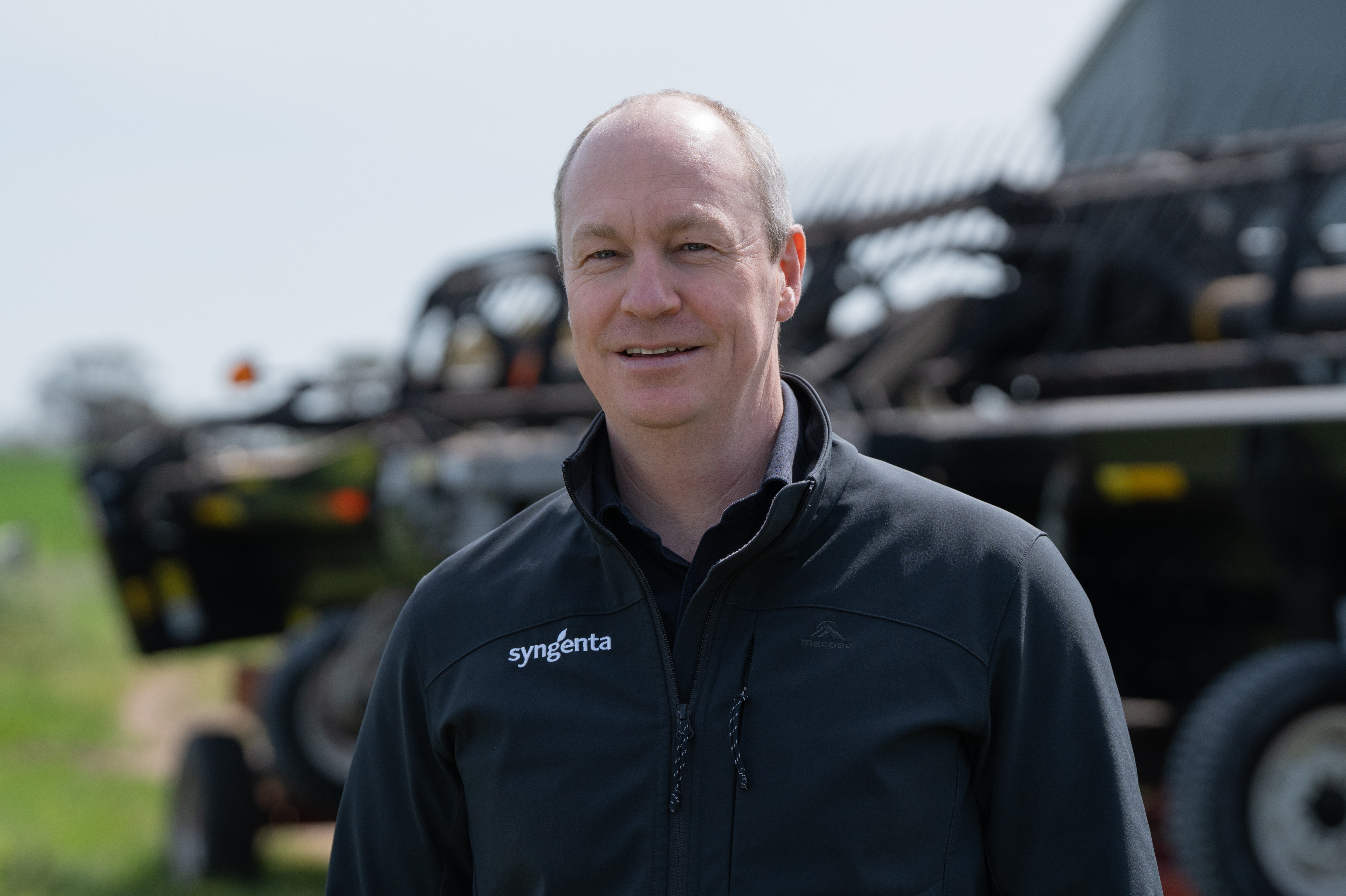
Against this backdrop, Syngenta ANZ managing director, David Van Ryswyk says the company is turning its focus to the next frontiers in farming, advancing innovation across its global business to deliver smart, practical solutions that create real value on farm.
From biologicals to AI-driven agronomy and next-generation crop varieties, David says 2026 is set to mark a significant shift in how Australia farms.
Here are Syngenta’s top three trends.
Biologicals break through as performance and sustainability collide
Biologicals are rapidly moving into the mainstream of Australian integrated crop protection and soil health strategies.
Biologicals are derived predominantly from naturally occurring substances and are generally categorised as biocontrols, biostimulants or nutrient use efficiency (NUE) products.
Their growth is being propelled by changing climate and pest pressures, improved crop performance, grower demand for improved NUE and national sustainability goals.
Globally, the market for agricultural biologicals is expected to top $US20 billion by 2030, according to Syngenta’s forecast, and Australia is well positioned to benefit as adoption accelerates across horticulture and broadacre systems.
Biologicals will continue to grow as practical, complementary tools to mainstream crop protection and soil health products, helping growers enhance soil function and resilience while managing inputs more precisely.
AI and digital agronomy redefine decisions on-farm
Artificial Intelligence (AI), geospatial analytics and digital decision-making platforms are becoming essential components of modern farm management.
Recent Australian trials highlight what’s possible when these tools are deployed at scale.
A Syngenta project with GRDC is demonstrating how variable-rate pre-emergent herbicide application – using spray digital maps, satellite imagery, drone and soil sensor data – delivers more effective, targeted weed control while minimising crop injury risk from herbicide carryover in various soil types.
Through groundbreaking global collaborations – including with Heritable Agriculture, a Google X spinoff – Syngenta is looking to harness AI to optimise the choice of vegetable varieties for growers globally, helping identify the right seed for the right region to maximise yield and performance under unique climate and growing conditions.
In 2026, AI will be less about experimentation and more about integrated, operational value – forecasting risks, guiding application rates, and supporting growers to make confident, data-backed decisions.
Smarter genetics
Global R&D pipelines are delivering the next generation of resilient, efficient and consumer-focused vegetable crops – and these advances are translating into Australian production systems.
New cabbage varieties developed to reduce supply-chain waste are early examples of how innovation can deliver both sustainability and commercial benefits by helping growers supply products which excite retailers and consumers, increase vegetable consumption and drive on-farm efficiency.
At the same time, tomato varieties with Tomato Brown Rugose Fruit Virus (ToBRFV) resistance are being introduced and trialled in Australia as part of a global breeding effort, giving growers more resilient options to protect yield, flavour and quality under virus pressure.
And emerging specialty crops – such as snackable, seedless capsicums – show how breeding programs are responding faster than ever to eating trends and human nutrition demands.
2026: A turning point for practical, connected innovation
The pace of agricultural innovation has never been faster – or more relevant to Australia’s farming challenges.
For Syngenta, the next frontiers in farming are shaped by practical, science-backed tools that drive productivity, sustainability and satisfy consumer demand.
In 2026, Australia’s agriculture will be shaped by how quickly biologicals, AI-supported agronomy and advanced breeding can be deployed where they matter most: in the paddock, supporting growers to grow more with less.