THE Australian Pesticides and Veterinary Medicine Authority (APVMA) has suspended the registration and approved labelling of second-generation anti-coagulant rodenticides (SGARs) for 12 months due to safety concerns.
The decision, effective from March 24, affects more than 160 domestic and commercial registrations containing the active ingredients, brodifacoum, bromadiolone, difethialone, difenacoum and flocoumafen.
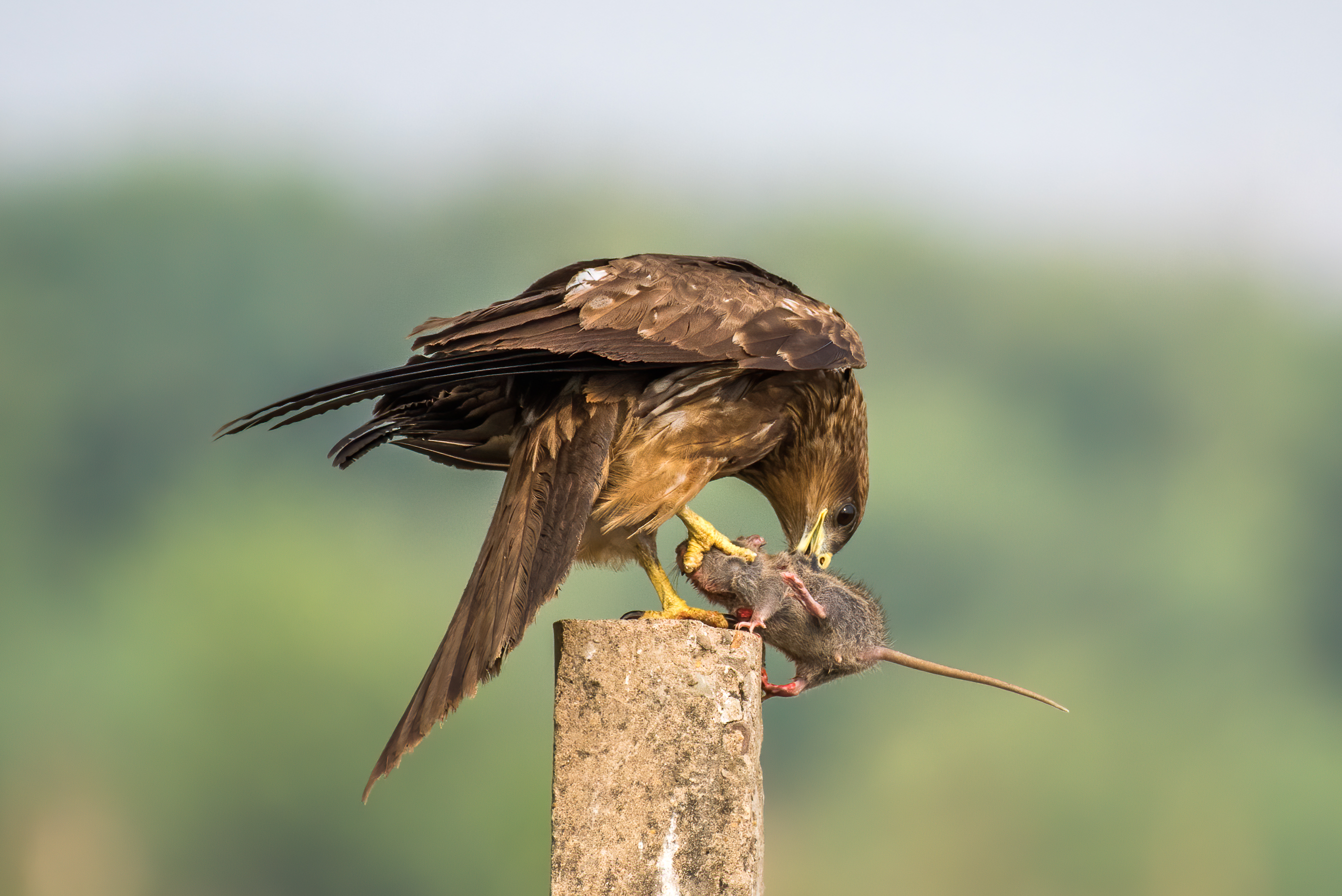
These active ingredients have been linked to primary and second poisoning in non-target species.
Affected manufacturers have 12 months to either lodge new label directions to minimise these risks or cancel their registration of the suspended products.
In the interim, existing stocks of suspended products may be used in accordance with an APVMA permit which stipulates new directions for use for a 12-month period.
Under this permit, suspended domestic usage products cannot be used outdoors.
Suspended commercial usage products can be used outdoors provided they are secured in tamper-resistant and weather-resistant bait stations.
Bait stations cannot be placed outdoors for the control of mice; in areas accessible to non-target animals, pets or children; or more than two metres from buildings.
Product cannot be placed directly into burrows.
APVMA has also certified SGARs as restricted chemical products (RCPs), which will limit their future purchase and use to licensed and authorised users.
The details of this certification and how it will be implemented are yet to be determined.
First-generation anti-coagulant rodenticides (FGARs) containing coumatetralyl, diphacinone and warfarin are not impacted by this suspension.
Elanco brand manager Kim Krilich welcomes the news as a win for native and domestic animals.
“Rodenticides have an important role in minimising the devastation rodents can cause to crops, grain and farm infrastructure and the transmission of zoonotic diseases,” she says.
“However, they must be used selectively to minimise their risk to non-target animals.
“It is generally accepted that SGARs break down more slowly than FGARs and therefore remain at lethal concentrations inside the bodies of poisoned rats and mice longer.
“This increases the risk of secondary poisoning in non-target species, such as marsupial carnivores, owls, eagles, snakes, cats and dogs.
“Some countries have banned the use of second-generation rodenticides, while their use in Europe and North America is now restricted to licensed pest controllers.”
The directions for use of Elanco’s Racumin range of rodenticides remain unchanged.
“All Racumin formulations contain the active ingredient, coumatetralyl, which poses a very low risk of secondary poisoning to non-target species,” Kim says.
“Coumatetralyl is rapidly metabolised after ingestion, which means rodents must consume the bait over several feedings in order to consume a lethal dose.
“The outcome is still the same as single-feed rodenticides – with death occurring about three to eight days later 1– but very low levels of residues remain in the carcase.
“One experimental study found the ingestion of one rat poisoned with coumatetralyl posed no risk of poisoning in a healthy dog. 2
“Obviously that risk can increase with ingestion of additional poisoned carcases but it’s highly unlikely.” 3
Racumin Rat and Mouse Blocks are weather-resistant, wax blocks ideal for use in bait stations.
They are also registered for use in rodent control programs in macadamia and sugar cane field crops, and pineapple plantations.
Racumin Rat and Mouse Paste are highly-palatable sachets ideal for use in a range of domestic and industrial situations, including around the home and farm buildings.
They can be placed in hard-to-reach and undercover areas, such as ceiling voids or behind materials.
Racumin 8 Rat and Mouse Rodenticide is a dry concentrate which can be used as a ‘tracking powder’ sprinkled in areas of known rodent activity.
“Rodents ingest the powder when grooming their feet and fur,” Kim says.
“Alternatively, it can be mixed with a suitable bait material, such as grain or fruit, and applied in and around domestic and farm building areas.”
To learn more about rodent control using Racumin, contact the Elanco Customer Service team.
References: 1. Baiting for at least two weeks is necessary to eliminate rat or mouse numbers. 2. Berny. P.J. et al. (1999). Evaluation of the secondary toxicity of coumatetralyl to dogs and an example of rat control in a dogs’ boarding kennel. Proceedings of the 3rd International Conference on Urban Pests. 3. All animals can be poisoned if they feed on sufficient bait directly. In the event of accidental ingestion of a baited rodent by a domestic animal, veterinary advice should be sought immediately. Always read and follow the label directions. DO NOT place baits in open unless in bait stations. DO NOT graze or feed livestock on treated areas whilst bait is present. DO NOT place baits in any position accessible to children, livestock, or domestic pets. Elanco and the diagonal bar are trademarks of Elanco or its affiliates. ©2026 Elanco or its affiliates. EAH26092. PM-AU-26-0219.