Bayer Crop Science gets HIP with next-gen weed researchers
Feb. 23, 2026
|
5 Min read
An international collaboration with Bayer Crop Science to develop innovative weed control solutions for Australian grain growers has expanded the scientific expertise and global knowledge of more than 50 young researchers.
An international collaboration with Bayer Crop Science to develop innovative weed control solutions for Australian grain growers has expanded the scientific expertise and global knowledge of more than 50 young researchers.
In 2015, in a long-term strategic initiative, GRDC invested in a partnership with Bayer Crop Science with a long-term strategic initiative aimed to investigate new herbicide modes of action to help Australian grain growers manage weeds.
The Herbicide Innovation Partnership (HIP) has delivered promising results by identifying chemistry candidates to manage herbicide resistance.
A secondary aim of the partnership has been to build Australia’s scientific capacity in industrial research.
From 2015 to 2025, through the partnership, 57 postdoctoral researchers from Australia and New Zealand have had the opportunity to spend two years at Bayer’s research laboratories in Frankfurt, Germany.
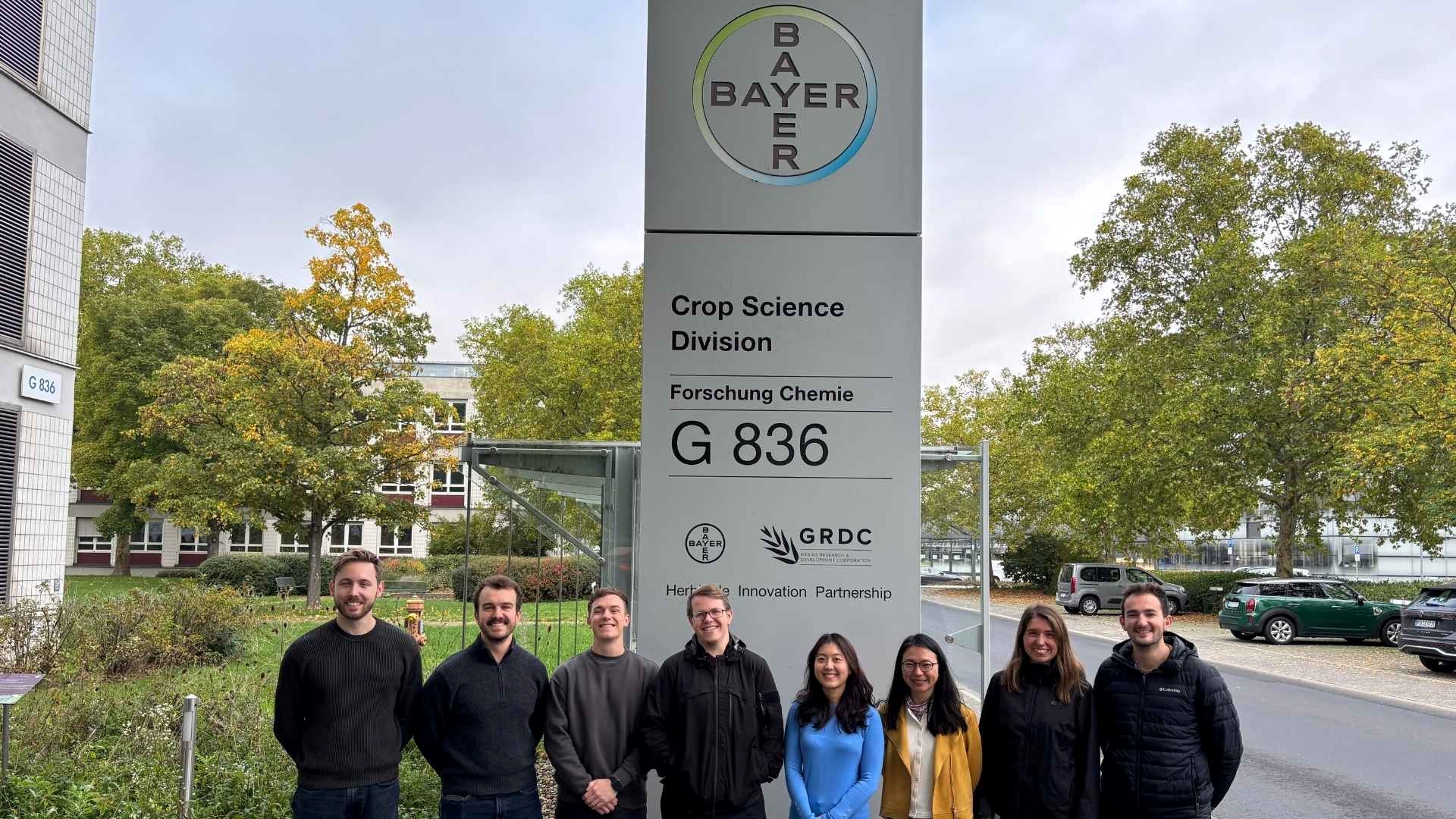
Recently Bayer and GRDC celebrated the final cohort of postdoctoral researchers to go through the HIP program.
The 11 postdoc researchers are the fifth and final group to complete their postdoc through the program, which has been an outstanding success when it comes to developing the next generation of herbicide discovery chemists and weed scientists.
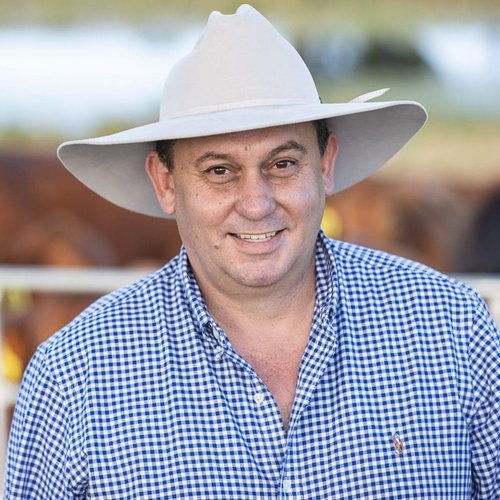
Dr Jens Ackerstaff
Bayer Crop Science product unit lead herbicide research Dr Jens Ackerstaff says the capacity building program had been impactful.
“The postdoctoral fellows from Australia and New Zealand have greatly helped in identifying new herbicidal molecules with resistance-breaking properties especially to the local market needs,” Jen says.
“The impact of their work is already being felt in our now advanced field trial candidates, and their legacy will help shape future weed control solutions, not just in Australia but around the world,” he adds.
“The HIP program developed their specialised skills in advanced methodologies for herbicide discovery and resistance management, equipping them with improved knowledge of developing chemistry to manage global weed issues and bringing them to commercial reality.”
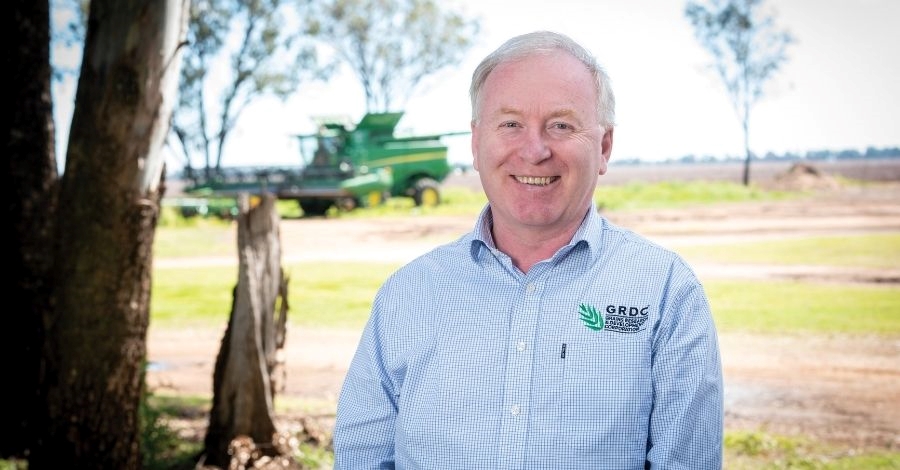
Nigel Hart
GRDC managing director Nigel Hart says HIP had provided young researchers with specialised training in Bayer’s world-class laboratories in Germany, while working on Australian-focused outcomes for improved weed control.
“Weeds are the single most significant cause of crop losses globally and are estimated to cost Australian grain growers almost $3.3 billion – or about $146 per hectare – annually,” Nigel explains.
“Importantly, the partnership with Bayer also included the opportunity for Australian and New Zealand researchers to do their postdoctoral research in Germany, with the aim of developing significant research expertise for Australian and global weed science.
“A decade later many of these researchers are highly qualified and well-regarded contributors to the research community with the potential to benefit Australian research for decades to come, if not generations.
“Building research capacity and capability has long been a priority for GRDC. We understand having highly qualified, globally connected researchers is critical and we’re proud to have supported the researchers who have completed their postdocs through this HIP program.”