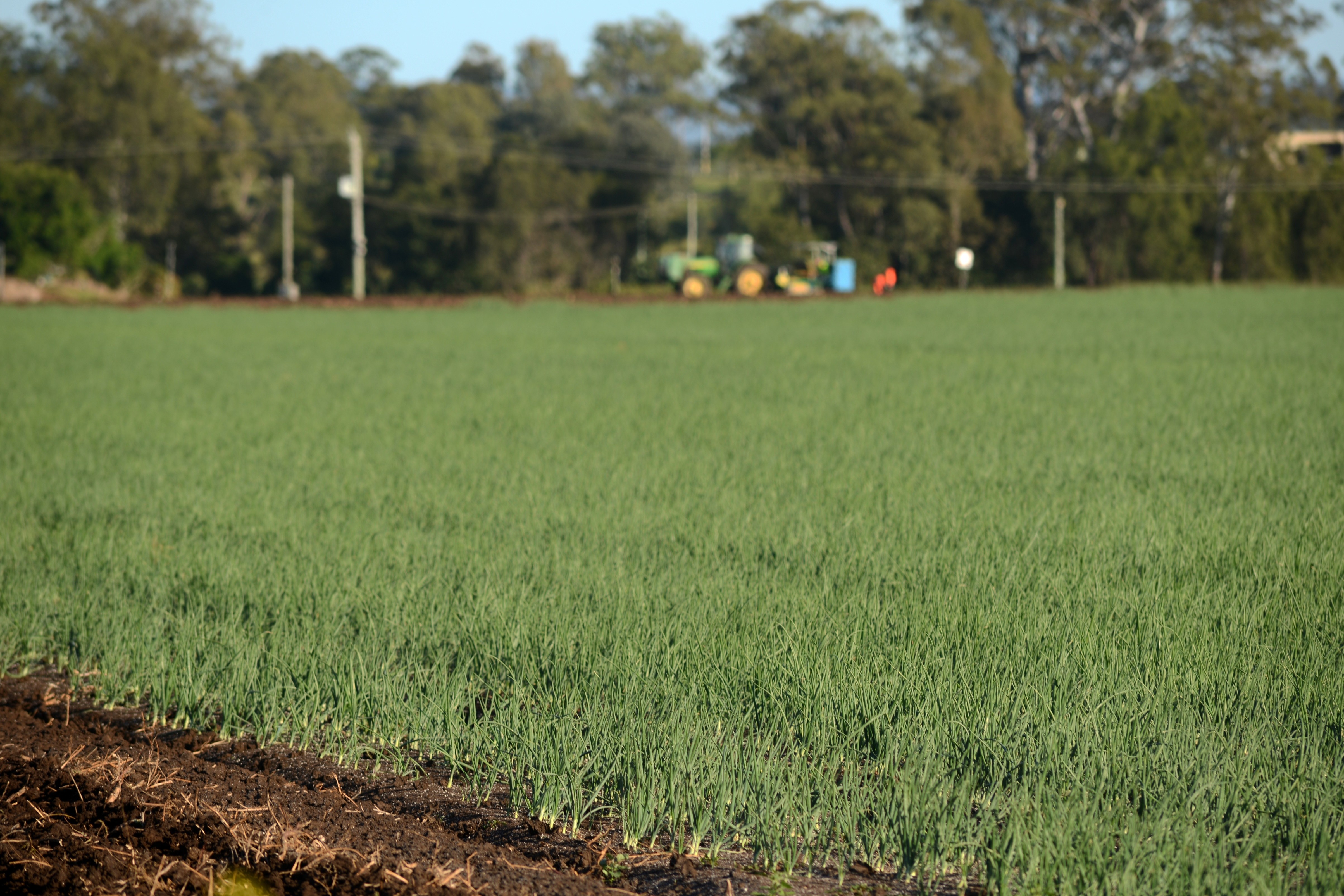
Lockyer Valley biotechnology company Metagen has reached a world-leading milestone in developing a DNA-based diagnostic test for Australian onion growers battling crop losses caused by Stemphylium leaf blight (SLB).
Lockyer Valley biotechnology company Metagen has reached a world-leading milestone in developing a DNA-based diagnostic test for Australian onion growers battling crop losses caused by Stemphylium leaf blight (SLB).
Metagen began work on its first Horticulture Innovation-funded and AUSVEG-supported project, ‘Rapid test and fungicide resistant screening for Stemphylium leaf blight in onion’ in August after Lockyer Valley Growers Inc lobbied industry to develop management tools to address the issue.
The project team, led by Metagen’s Dr Ben Evert in collaboration with plant pathology researcher Dr Noel Knight, microbiologist Dr Neil Wilson and agronomist Shane Fitzgerald has successfully developed a DNA-based diagnostic test for the accurate detection and quantification of SLB at Metagen's Gatton laboratory.
The laboratory is one of the few in Australia with a mix of agronomists, molecular biologists, microbiologists, and a direct connection to growers and university research scientists.
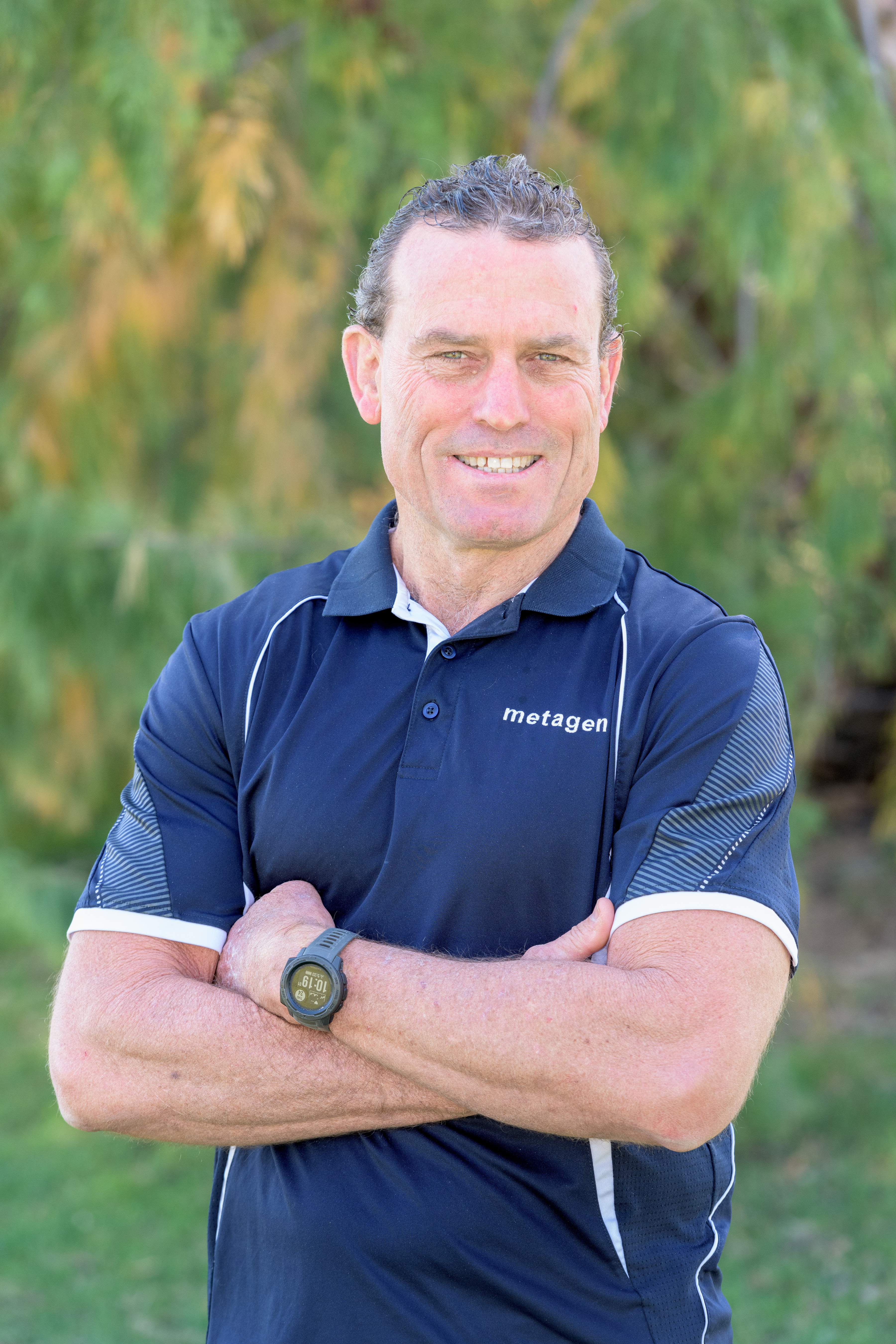
Metagen co-founder and director Shane Fitzgerald.
This positioned Metagen to be able to rapidly develop tools which addressed real problems facing farmers now according to project lead Ben Evert.
Metagen co-founder Shane Fitzgerald says SLB has been more prevalent in the Lockyer Valley in the past four years.
“We estimate 80 per cent of local growers have had it in the past 12 months with impacts so devastating, some have decided not to plant onions again”.
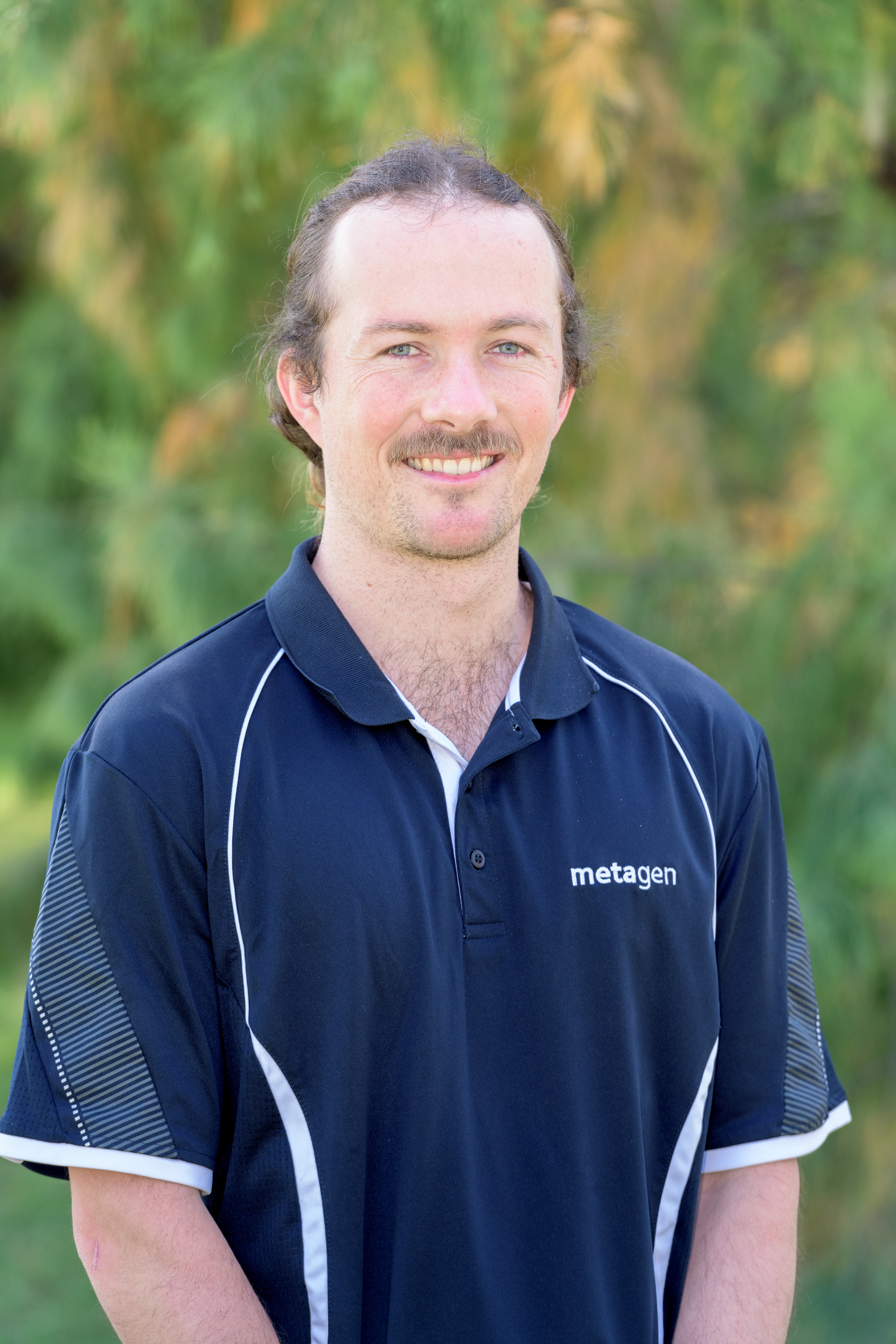
Research and development scientist and project lead Dr Ben Evert.
“This is a global issue and affects onion growers in all key Australian growing regions. All will benefit from this new DNA-based diagnostic test,” Shane says.
“Disease diagnosis is difficult as the SLB pathogen can infect existing lesions caused by other pests or pathogens.
“Misdiagnosis is common and results in growers wasting money on the wrong chemicals while getting nowhere. Having a DNA-based diagnostic test helps stop this from happening.
“SLB can also survive on a lot of alternative host plants. From late November to early March, when there are no onions in the ground in Gatton, you would normally not have disease build-up and growers get a reprieve.
“But when a pathogen can persist on weeds like this, there's no break and that's a real problem.
“A DNA-based test can help us identify which alternative hosts are reservoirs for the disease when there are no onions around.”
Research to focus on fungicide resistance
Shane says the project will also focus on determining disease resistance to fungicides.
“Lots of research papers warn of the ability of SLB to rapidly develop fungicide resistance and there is concerning data coming out of other countries confirming the disease is already resistant to a wide range of fungicides,” he explains.
“We are screening a collection of locally isolated SLB strains to determine which fungicides they are susceptible to.
“That doesn’t necessarily mean it will work in the paddock, but it is a great start.”
Project outcomes will be available early next year with results shared globally.
With international experience across a range of crops, Dr Noel Knight has also worked alongside Cornell University's world-renowned onion research team, recognised leaders in SLB management.
His work in the project focuses on designing the DNA-based diagnostic for Metagen implementation and guidance on fungicide resistance screening.
“Our initial aim was to develop a DNA test which confirms whether the SLB pathogen is associated with disease symptoms and plant tissues, and how much of it is present,” Noel says.
“A secondary goal was to investigate the sensitivity of SLB to fungicides. This work will support management of SLB and reinforce best-practice fungicide stewardship,” he says.
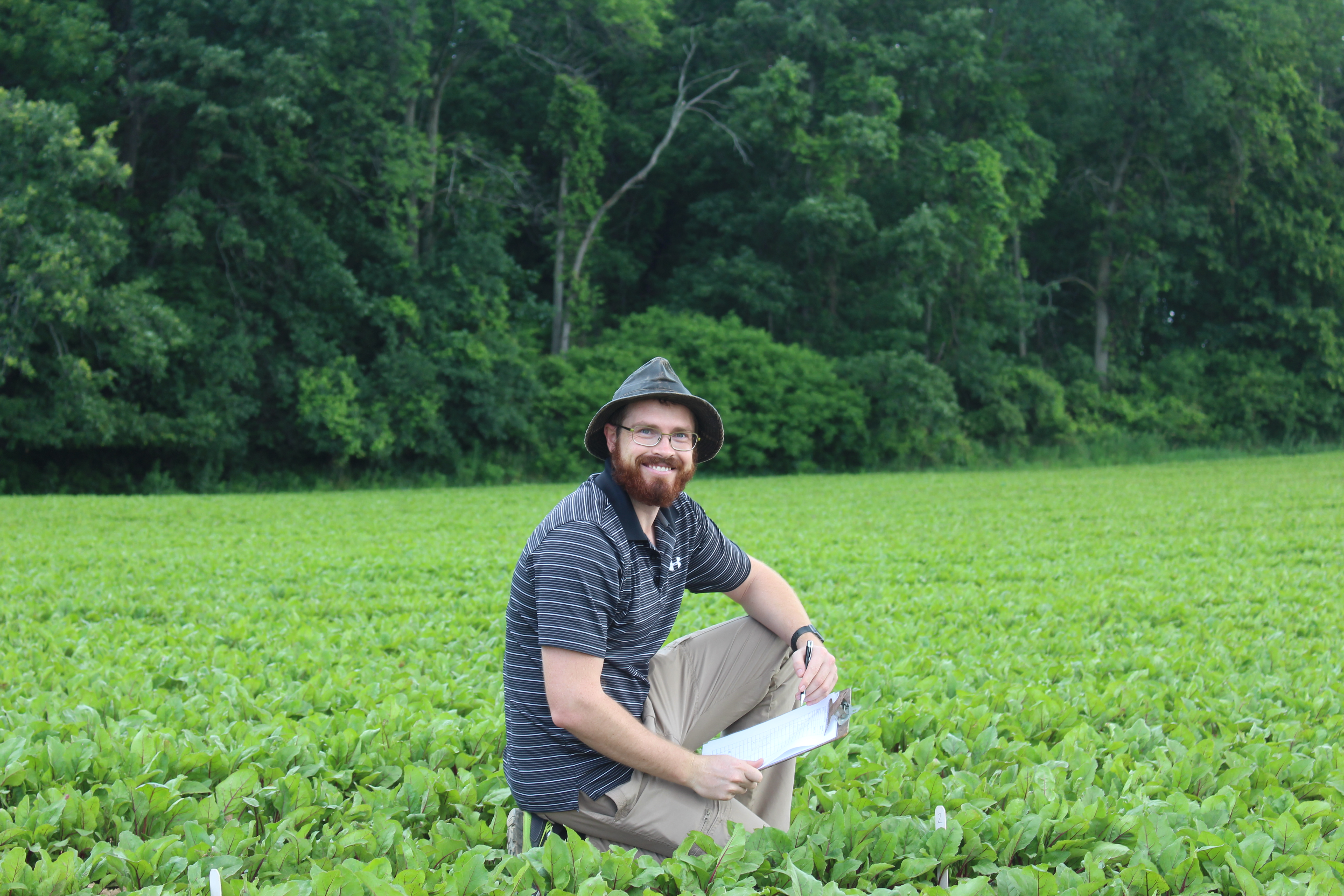
Project collaborator Dr Noel Knight.
Lockyer Valley roots inspire onion project
The project is full-circle for Shane, who grew up on a Lockyer Valley farm and studied onion diseases in a 1988 University of Queensland project to improve onion canopy pathogen management outcomes on the family farm.
“It's very rewarding and quite emotional to be back in the Lockyer Valley after going away and finding solutions for similar problems in other crops, developing new methodologies and pulling together a team,” Shane says.
“Now, to see that team focusing on a similar problem I studied at university is satisfying,” he adds.
“A lot of these growers, I've played football with or went to school with. To be able to go back there and solve the problem this time, means a lot to me, because there is personal motivation.”
Lockyer Valley Growers president Michael Sippel says SLB has caused some growers to replace onions with other crops, reduce crop size or stop growing.
“Some have thrown thousands of dollars (in fungicides) per hectares at the disease, thinking it’s a different disease,” he says.
“Hort Innovation’s decision to award Metagen the project has been the right decision – it has the expertise and is putting effort into finding multiple solutions,” he says.