New research to understand the spread of gazania (African daisy) in grain paddocks and identify potential chemical control options is showing promise for growers plagued by this aggressive weed.
New research to understand the spread of gazania (African daisy) in grain paddocks and identify potential chemical control options is showing promise for growers plagued by this aggressive weed.
Gazania is a member of the daisy family and was introduced to Australia from South Africa as a hardy garden flower and well suited to fragile, sandy soils it has proved to be drought hardy and highly invasive.
However, it has since spread rapidly – usually via poor, unmanaged soils such as those along roadsides and fence lines.
It is now infesting cropping paddocks on South Australia’s Eyre and Yorke Peninsulas, as well as the SA and Victorian Mallee.
It is encroaching grain crops in the NSW Riverina and parts of Western Australia.
South Australian grower Robin Schaefer, Loxton, has seen gazanias overtake parts of the SA’s northern Mallee region in less than a decade, after spreading from just one or two domestic front gardens.
“They would spread along the roadsides and we’d see the odd plant pop up in our paddocks,” he says.
“We didn’t really take a lot of notice, but they were slipping through our weed control program.”
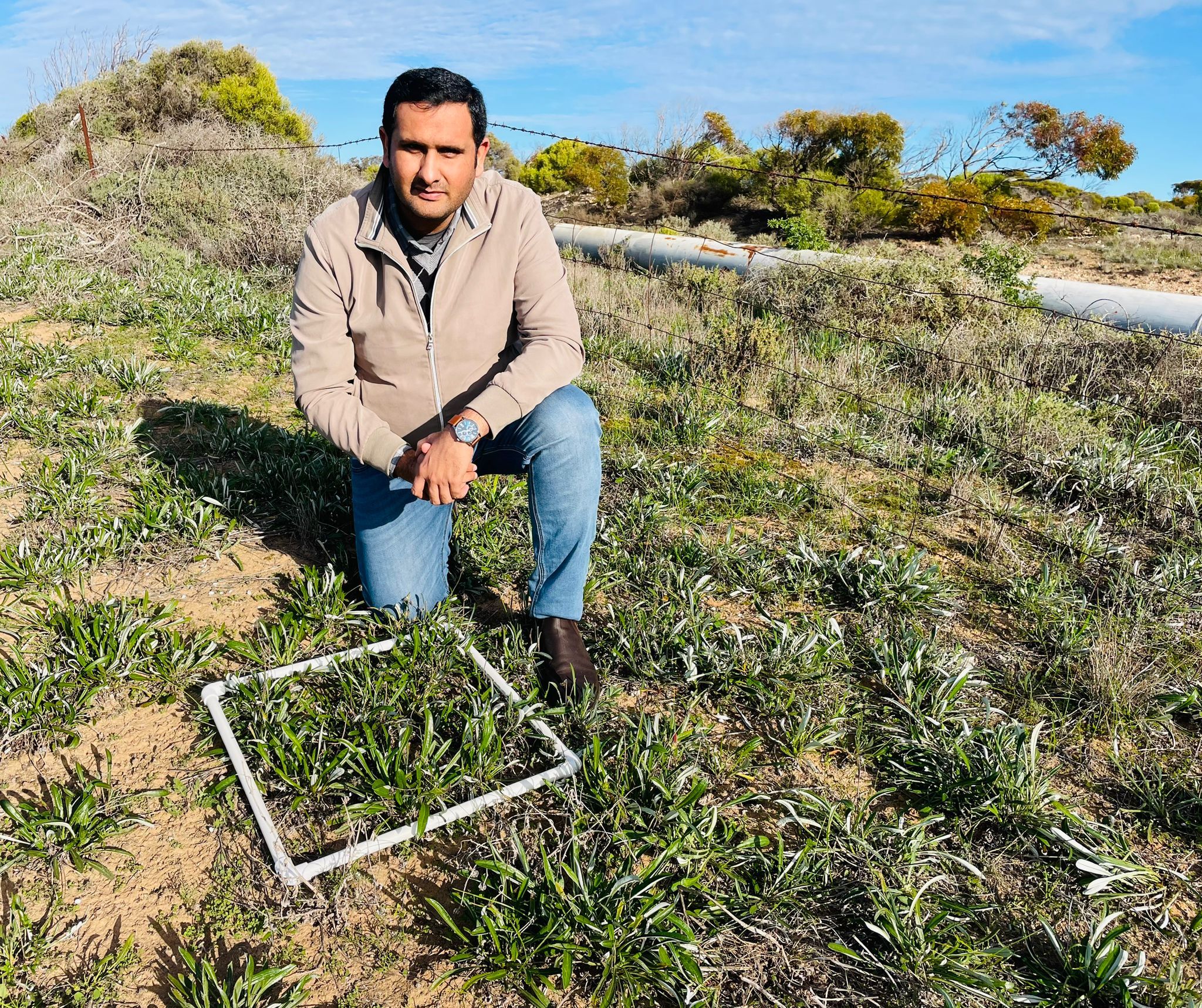
La Trobe University senior lecturer in Weed Science and Agronomy Dr Ali Bajwa.
Robin says more gazanias started to appear around those first individuals six or seven years ago.
In the past four years, large, late-season rain events have helped gazanias germinate more successfully in the early fallow period, when there is little crop competition after harvest.
“Some aspects of our rotation system may have helped the gazanias to spread and, because they're so robust and hardy, conventional weed control strategies just don’t work,” he says.
“Plenty of local growers have seen the same pattern on their properties.
“I know of at least one farmer who hasn’t been able to grow a crop on several of his paddocks for two or three years because gazanias have completely taken over and he’s got no way to control them.”
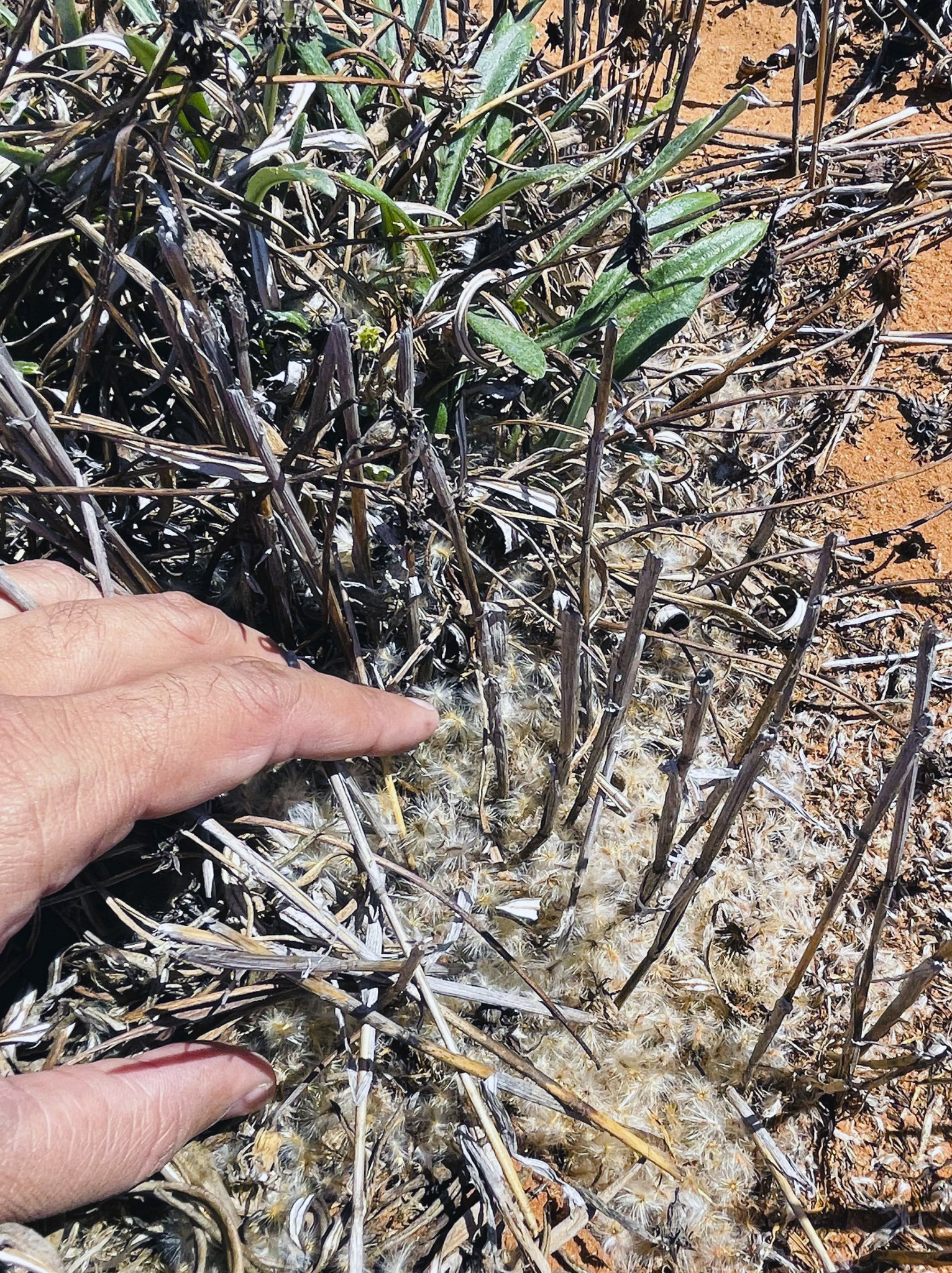
Gazania plants are perennial and grow vigorously, forming thick monocultures that quickly outcompete other vegetation including native plants and crops.
They store energy and reproduce via underground rhizomes, while also producing thousands of highly mobile wind-borne seeds each year. These seeds readily germinate across a wide range of environmental and soil conditions.
The rhizomes mean physical removal is often unsuccessful, while the waxy leaves reduce herbicide absorption, resulting in poor control.
In the past two years, La Trobe University senior lecturer in weed science and agronomy Dr Ali Bajwa and his team have undertaken extensive surveys to map gazania infestation and invasion trends across the southern region as part of the GRDC Gazanias incidence and impact on grain cropping in the southern region project.
They have also trialled several herbicide options against a range of gazania growth stages in pot trials at La Trobe, as well as in field trial sites on Robin’s Loxton property and near Arno Bay on the Eyre Peninsula.
Their research shows certain knockdown herbicides can be highly effective while gazania plants are very young (2-4 leaf stage).
However, the efficacy of most products dropped significantly once plants were established with 10-12 leaves, while controlling plants with 20-plus leaves was almost impossible with most chemicals.
“Unfortunately, these plants are naturally tolerant to our typical nonselective knockdown herbicides such as glyphosate and paraquat,” Ali says.
“However, we are seeing some promising results from products that have residual activity – with data from extensive glasshouse and field trials suggesting certain group 4 and group 14 herbicides in different combinations may provide effective control.”
No herbicide products are registered specifically for gazanias, and therefore any research findings cannot be recommended to growers yet.
Further field-based validation of various chemical control options will be needed to identify effective herbicide use patterns and support potential registration.
In the meantime, Ali recommends growers act early to eradicate fence-line gazanias and any new incursion into paddocks.
Digging out and deep burial or burning of single gazanias is the best approach, while spot application of suitable nonselective herbicides is recommended for small, sporadic infestations.
Ali’s team has also observed lentils and other legume rotations can be a weak link in gazania management, so it is important to strengthen weed control in and around those crops.
Good farm hygiene when moving machinery or stock from infested paddocks can also help reduce the spread of weed seeds.
“Gazanias need national action, as they are already present next to grain production paddocks in the southern, northern and western regions,” Ali says.
“While we will have more to share on effective chemical control through this GRDC investment, grain growers are going to need a complete integrated weed management strategy to keep gazanias out of their paddocks.”