Zoetis says the new immune ready guidelines (IRG) program continues to gain traction and support throughout the cattle industry.
The company says IRG is a cross industry collaboration to improve vaccination uptake and on farm biosecurity.
The ongoing risk of endemic diseases in the cattle industry drove the establishment of a working group to look at vaccination guidelines to reduce the risk of disease transfer while cattle are traded through the supply chain.
The Australian Cattle Veterinarians (ACV) brought together a working group of veterinarians representing a range of cattle production systems – dairy, beef, feedlots, live export, academia and pharmaceutical.
The goal for the group is to define the criteria of core vaccines and risk-based vaccinations, and then apply these criteria across different classes of cattle and in some instances geographical regions, to create the vaccination guidelines that suited different trade markets within the vast diversity of cattle production systems in Australia.
The outcome
The outcome has been the development of the immune ready guidelines, which identify the key diseases needing to be managed and/or monitored with appropriate vaccinations to mitigate disease transmission.
The IRG are also endorsed by all the leading industry bodies including Australian Veterinary Association , Australian Cattle Veterinarians, MLA, Animal Health Australia, Dairy Australia and Australian Lot Feeders Association – as well as all key industry suppliers such as Zoetis Australia.
The ongoing risk of endemic diseases drove the establishment of a working group to look at vaccination guidelines.
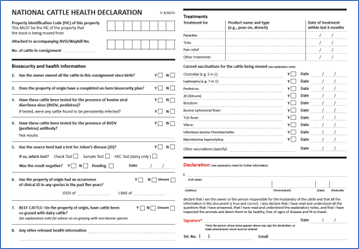
National Cattle Health Declaration (NCHD) and IRG
The IRG are underpinned by the NCHD.
These declarations are a way for producers to provide information about the health status of the cattle they are selling and their vaccination status.
Buyers should ask vendors for a declaration and use the information provided to determine the health risks associated with the animals on offer.
When sellers utilise the IRG logo, they agree to provide the NCHD verifying the health status of the animals advertised.
By following standardised vaccination programs and increasing biosecurity, participants can safeguard the health of their cattle and enjoy a more sustainable future.
The ACV encourages the industry to continue to support and communicate the benefits of the IRG.