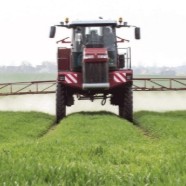
The next generation weed management project focuses on real world integration of emerging technologies onto farms and data collection to understand the opportunities more broadly.
Australia’s horticulture industry is set to benefit from a major innovation in weed management, announced today at the Gatton AgTech Showcase.
The next generation weed management project – a three-part project being delivered by Applied Horticultural Research, Nufarm, and La Trobe University, and funded by Hort Innovation – aims to transform how growers tackle weed challenges through smarter, more sustainable solutions via adoption of AI-enabled robotics, machine learning, non-chemical options, and autonomous vehicles that weed, plant and spray.
Drilling into the technology elements of the $30 million project, Gatton AgTech Showcase attendees heard about the project’s focus on real world integration of emerging technologies onto farms and data collection to understand the opportunities more broadly.
This project will help growers become more productive and support them as they continue to face growing labour and input costs.
Hort Innovation chief executive Brett Fifield says productivity isn’t just about scale- it’s about strategy.
“This project is a prime example of how we’re investing in smarter ways to grow. By linking this initiative to the broader productivity agenda, we’re helping growers farm smarter.
“Our 2025 report on horticultural productivity with the Centre for International Economics revealed that automation, and AI and machine learning are two of the powerful drivers that will create a more productive and profitable sector for our growers.
“At the Gatton AgTech Showcase growers were given the opportunity to see some of this smart weeding technology in action, giving them a look to the future – and creating a lot of excitement about its potential along the way,” Brett said.
The Factors Driving Horticulture Productivity report found targeted action in areas such as mechanisation, AI-driven insights, and cost analysis could generate up to $1 billion annually in additional value, reaching $22 billion by 2040.
FarmTech Australia spokesman Richard Gorman said this nationwide grower collaboration will see the latest AI-powered technology thoroughly tested in different crops, climates, soil types and farming systems.
“We are testing them under practical, commercial conditions so all growers can have confidence in the paddock research, which will accelerate the uptake of the best performing precision farming aids.”
“Growers are front and centre of every stage of this project so we deliver outcomes that all farmers can benefit from.
“The aim is to farm smarter, reduce operating costs, improve the productivity of Australian horticulture and remain globally competitive,” Richard concluded.
This project marks a significant step forward for the industry and is already being designed in collaboration with growers to ensure it is fit for purpose.
The three next generation weeding projects include:
- Applied Horticulture Research: Partnering with grower-led groups in Queensland and Victoria to accelerate the adoption of AI-enabled robotics and autonomous vehicles for weeding, planting and spraying. The project focuses on real-world integration of these emerging technologies into Australian vegetable farms, providing support services, production system adjustments and clear economic analysis to reduce the risk for wider industry uptake.
- Nufarm Australia: Is collaborating with Croplands and Kilter, and is developing an autonomous robotic precision spot-spraying system that uses advanced machine learning and green-on-green weed detection to apply microdroplet herbicides directly onto individual weeds. This smart spraying technology is designed to reduce herbicide use by up to 95 per cent while increasing yield and lowering labour costs.
- La Trobe University: In partnership with the Northern Territory Department of Agriculture and Fisheries, is leading a research initiative to investigate Anaerobic Soil Disinfestation (ASD), a chemical-free method of weed and pathogen control gaining traction overseas.