NSW cattle and dairy farmers have a new AgTech option to manage their livestock with that state’s government legalising virtual stock fencing so farmers can reduce costs and take advantage of new data on the welfare of their herds.
Agriculture Minister Tara Moriarty says the technology will be regulated for use in NSW, enabling the state’s farmers to better manage their stock and to side-step the cost of hard fencing.
Extensive consultation with farming groups, animal welfare enforcement agencies, and suppliers, has been consulted to draft a best practice regulation which fosters modern farming and ensures the welfare of the livestock.
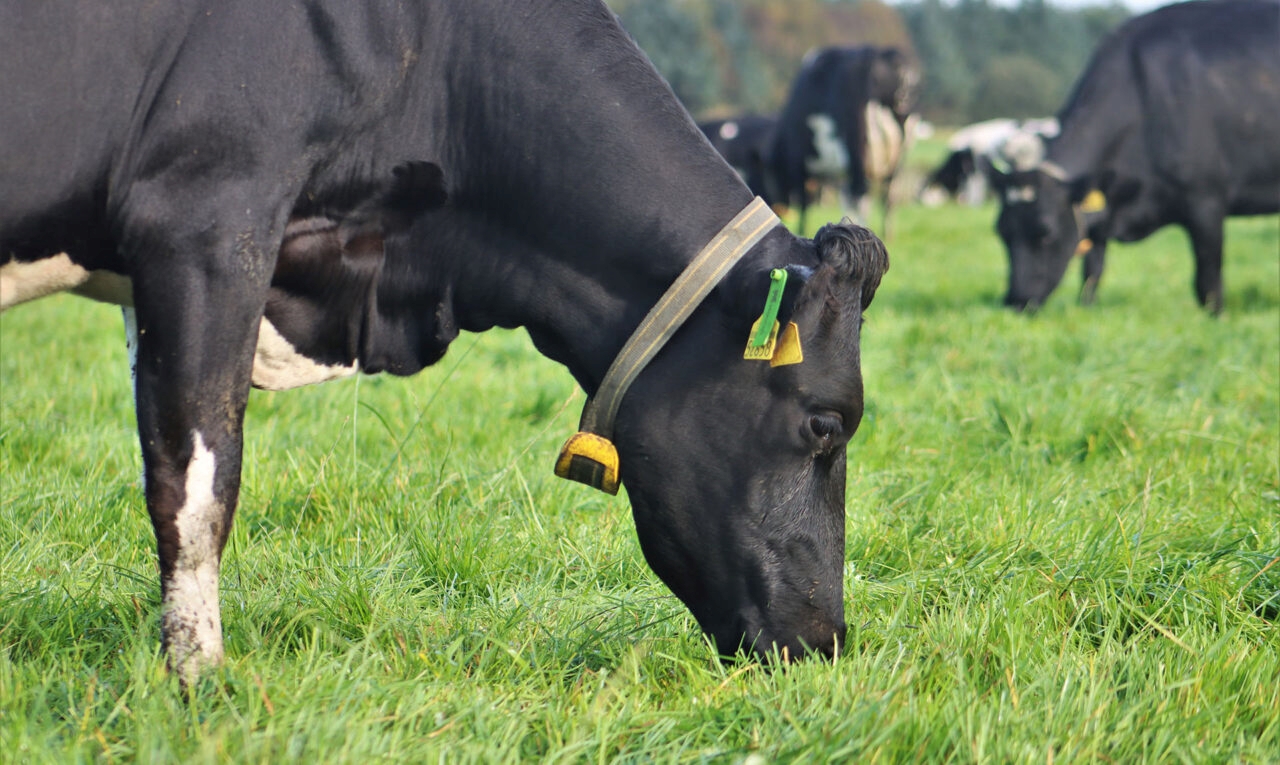
Virtual fencing is an AgTech solution to managing cattle without the need for physical fencing within a farm’s boundaries.
Instead, collars or neck bands using GPS technology deliver sensory cues to influence the movement of livestock.
The technology can also monitor the activity, health and welfare of cattle, and can reduce the stress of the animals which can arise from herding with quad bikes and dogs.
The enabling of this technology for NSW has the potential to markedly improve the efficiency of rotational grazing systems and reduce the need for the costly establishment and maintenance of internal fences.
The regulation adopts the NSW Guide to Animal Welfare for Virtual Fencing of Cattle which provides appropriate safeguards for animal welfare in the design and operation of virtual fencing, including:
- The user must be trained in how to use the device by the supplier or manufacturer.
- The user must ensure devices are regularly monitored and animal welfare standards are met.
- Devices will allow users to control the boundaries that trigger cues to the animal, but users cannot deliver cues directly to an animal.
- Devices must use vibrational or audio cues first, before using electric cues.
- The technology can only be used for cattle.
The technology has built-in features which can temporarily disable the device based on animal behaviour, location, system connectivity or as a safeguard.
It also alerts the user to any animal welfare issues and determines if user intervention is required.
NSW Farmers’ president Xavier Martin says virtual fencing has changed the game for cattle producers not just in other parts of Australia, but around the globe, “and so it’s time NSW came up to speed”.
“From reducing ongoing fencing and maintenance costs, protecting biodiversity and limiting stock handling, the benefits of this technology make it an incredibly powerful tool,” Xaver says.
“With farmers needing to produce more food and fibre than ever before, it’s vital we jump on board with innovative technologies like this, so we can feed the future,” he adds.