Outmanoeuvre clethodim resistance in legume rotations
March 30, 2026
|
5 Min read
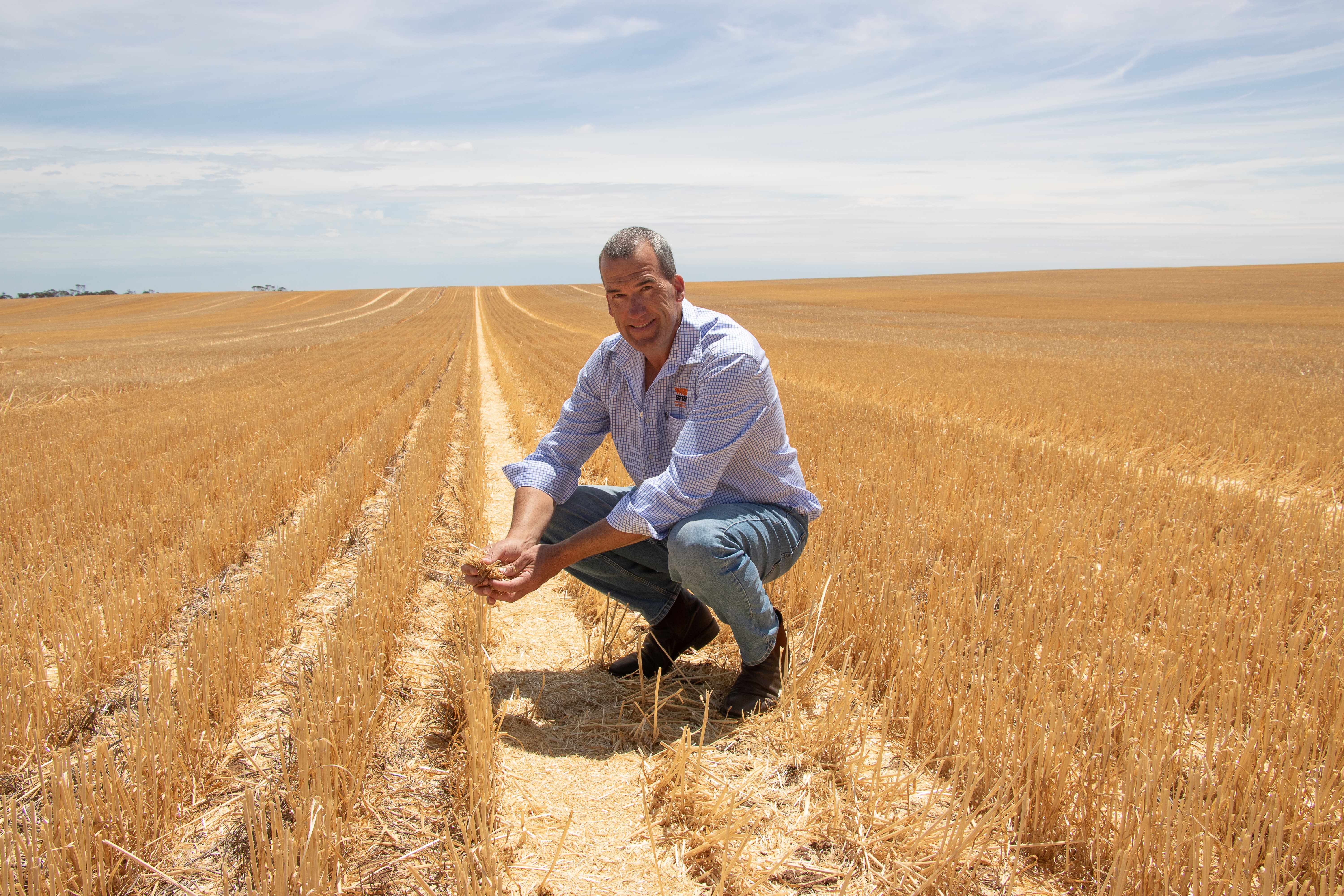
Chris Davey, WeedSmart agronomist in South Australia, has been tracking clethodim resistance in annual ryegrass on farms within his client group on the northern Yorke Peninsula.
Chris Davey, WeedSmart agronomist in South Australia, has been tracking clethodim resistance in annual ryegrass on farms within his client group on the northern Yorke Peninsula.
Growers in the area had been experiencing clethodim ‘rate creep’ to the point in 2022 where some annual ryegrass plants were surviving the highest registered rate of clethodim in 22 per cent of the paddocks sampled within the client group.
“Just two years later, in 2024, the incidence of resistance to the highest registered rate of clethodim had risen to 68 per cent of paddocks, and 37 per cent of samples were resistant to a mix of clethodim and butroxydim,” Chris says.
“These results were in line with the national GRDC-funded random survey in the region showed 60 per cent of sampled paddocks contained clethodim-resistant ryegrass.”
The recent rapid increase in resistance prevalence is due in part to a string of late-breaking seasons in which most crops were sown dry, without a pre-seeding knockdown.
The lack of knockdown, along with insufficient rainfall to activate pre-emergent herbicides, has placed substantial pressure on in-crop selective herbicides such as clethodim.
However, several longer-term trends and events have also contributed to the current situation.
Clethodim resistance on the Yorke Peninsula and similar regions in South Australia and Victoria has resulted from the cumulative effects of several factors over the last 25 years, beginning perhaps with the loss of diclofop-methyl (e.g. Hoegrass), a Group 1 FOP herbicide in the late 1990s in the higher rainfall areas.
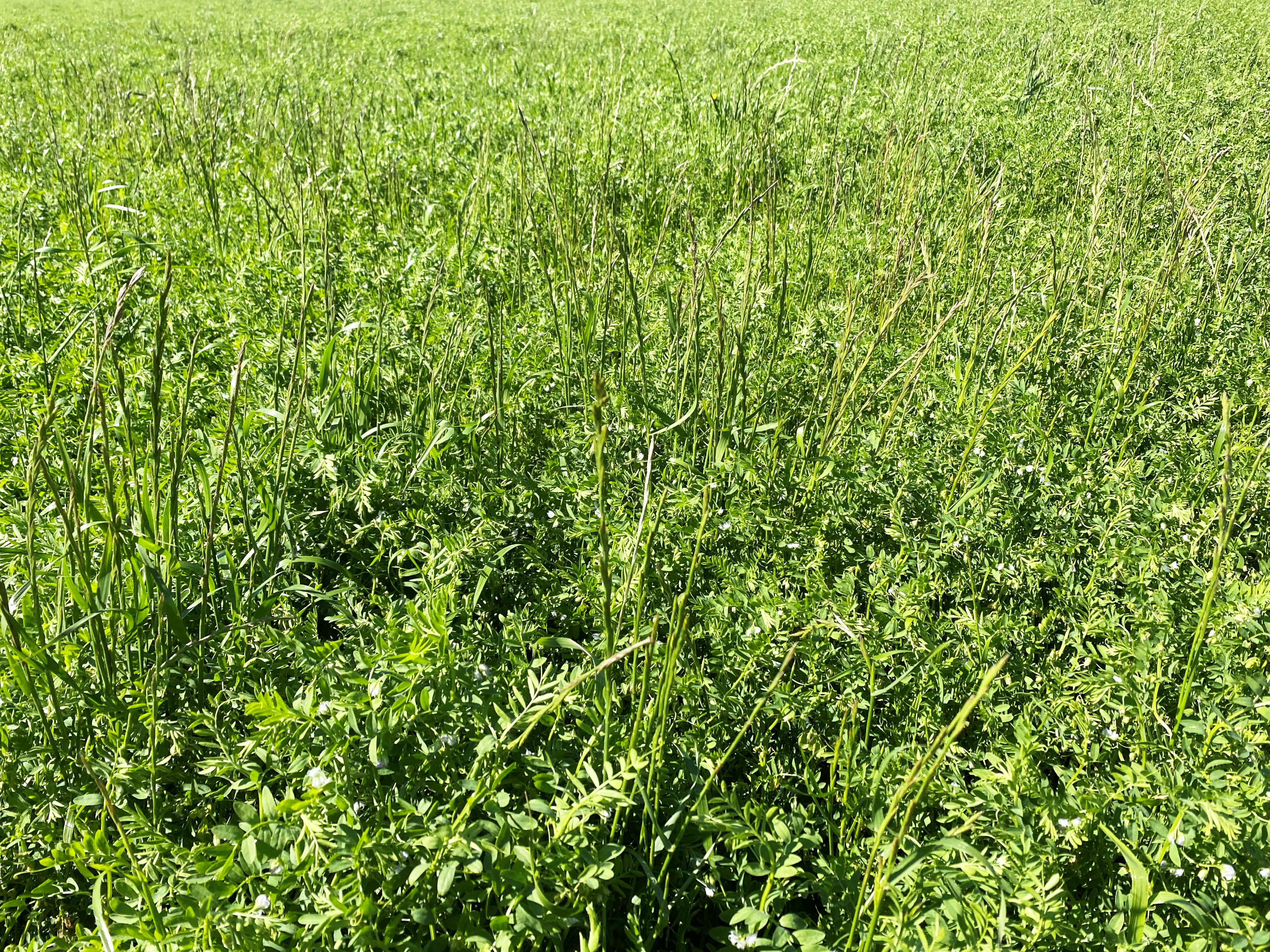
“In the medium to high rainfall areas, close wheat–lentil rotations increased the frequency of clethodim applications to every second year and sometimes multiple applications within a season,” Chris explains.
“Optimal spraying conditions for clethodim are few and far between in this region, so some applications typically occurred when conditions were too dry, cold or frosty for clethodim to work well, potentially allowing individual plants with low-level resistance to survive,” he says.
In some regions, pre-emergent herbicides are not generally applied for grass control in lentils.
One of the main purposes of pre-emergent herbicides is to reduce the number of grass weeds, in this case, annual ryegrass, exposed to the post-emergent grass-selective herbicides.
In legumes, pre-emergent herbicides provide early weed control, enabling the crop to establish with minimal competition and reducing the pressure on in-crop herbicides.
Fast-forward to the 2024 and 2025 seasons, with many paddocks having a high weed seedbank and few effective early control tactics available to growers.
Chris says not having the opportunity to apply a knockdown herbicide pre-planting led to large populations of annual ryegrass germinating with the crop.
The small amount of rainfall after planting was insufficient to properly activate the pre-emergent herbicides, and crops struggled to compete with the high-density weeds.
Unfortunately, a high proportion of annual ryegrass plants were able to evade control and then set seed, adding to the weed seedbank.
Herbicide resistance typically arises from a 20-plus-year pattern of reliance on chemistry without adopting an integrated weed management strategy that includes all the WeedSmart Big 6 pillars.Picture: Next Level Agronomy
“At the same time, some growers stopped using their impact mills and didn’t replace them with another form of harvest weed seed control,” Chris adds.
“This whole 20-plus-year scenario is very typical of how herbicide resistance occurs and why adopting an integrated weed management strategy that includes all the WeedSmart Big 6 pillars is so important to profitable and sustainable farming systems,” he says.
Although the situation is very serious on some farms, there are ways to regain control and drive down weed numbers. There are practical steps growers can take to reset the weed seedbank and adopt practices that reduce pressure on key herbicides.
The WeedSmart Big 6 incorporates multiple tactics within weed control pillars or principles that underpin farming systems to reduce weed numbers and protect yield.
Start with the crop rotation and consider all the options to add diversity in herbicide choice, spray application timing, non-herbicide weed control tactics, sowing and harvest dates, and competitiveness.
In the herbicide program, plan for the whole rotation to avoid intensive use of any herbicide mode of action. Always use a pre-emergent herbicide in legume crops.
A pre-emergent plus post-emergent herbicide sequence provides a one-two punch against the weed population and fits within the WeedSmart Big 6 ‘mix and rotate’ pillar.
Do everything possible to make every drop of herbicide count by spraying under the best possible conditions and using the right sprayer setup.
Critically, eliminate any weeds that survive a herbicide application.
Look for ways to increase crop competitiveness to support pre-emergent herbicides after planting and to reduce weed germination and growth later in the season.
Stop seed set before harvest – either across the paddock or in weedy patches.
Options include fallowing, cutting for hay, windrowing, spot-spraying, shielded spraying and the like.
Finish off with any form of harvest weed seed control – don’t reward survivor weeds by spreading their seed across the paddock.
For more information about integrated weed management strategies, go to www.weedsmart.org.au